Discovering the Conveniences of Sleep Studies: A Guide to Improved Rest High Quality
Rest studies use a necessary home window into the complexities of sleep patterns and problems. They play a considerable function in identifying problems like rest apnea and sleep problems. By examining numerous physical criteria, these assessments pave the way for tailored therapy strategies. The ramifications of improved sleep expand beyond rest, influencing cognitive feature and emotional wellness. The trip does not end with a medical diagnosis-- recognizing the next steps is equally essential.
Recognizing Sleep Disorders and Their Influence
Although lots of people might take too lightly the value of sleep, sleep problems can profoundly influence total health and well-being. These conditions, that include problems such as sleeplessness, sleep apnea, and troubled leg disorder, can cause a selection of negative end results. Persistent rest deprivation can impair cognitive function, impede memory retention, and boost the threat of mental wellness concerns such as anxiousness and anxiety. On top of that, individuals suffering from sleep conditions often experience physical health and wellness difficulties, including cardiovascular illness, obesity, and diabetes. The influence of bad sleep extends past the person, influencing partnerships and workplace efficiency. Identifying the severity of rest problems is crucial, as they can interrupt not just individual health however additionally social performance. Recognizing these problems can result in much better recognition and treatment choices, ultimately cultivating enhanced rest high quality and general wellness.
The Refine of Undertaking a Rest Study
Undertaking a sleep study involves an organized assessment of a person's sleep patterns and habits to detect possible sleep problems. The process normally starts with an examination, where a health care expert gathers outlined information regarding the patient's sleep practices, case history, and any signs and symptoms experienced. This first assessment assists identify the necessity of a rest research.
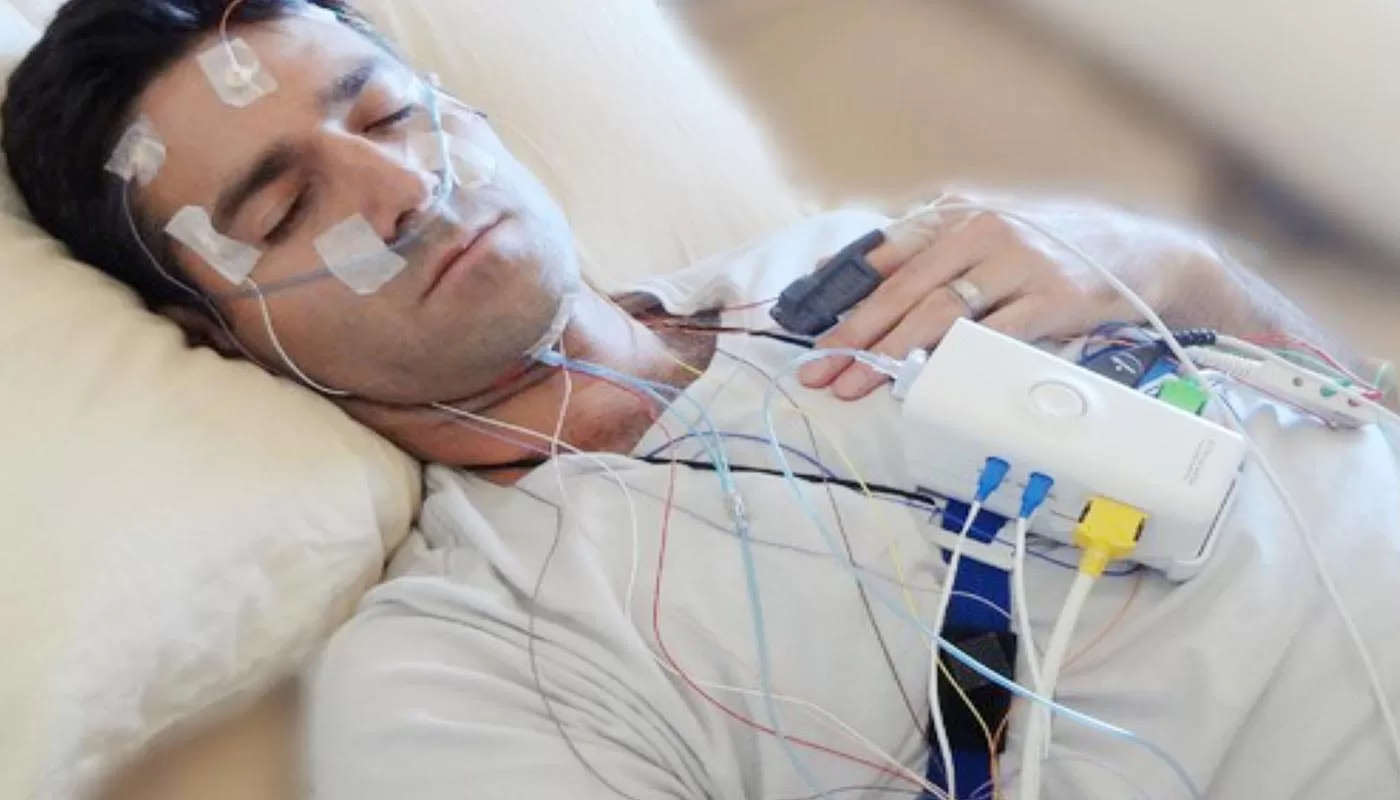
Once considered needed, the individual routines an overnight remain at a rest laboratory or sets up devices in your home. During the research, various physiological criteria are kept track of, including brain activity, heart price, and breathing patterns. Specialists might utilize sensors and cams to observe the individual's motions and overall rest quality.
After the study, the collected information is examined, allowing professionals to determine any sleep conditions present. The outcomes notify personalized treatment strategies targeted at boosting the person's rest quality, eventually boosting their total wellness and health.
Sorts Of Rest Researches and What They Measure
Sleep studies can be classified right into a number of kinds, each created to determine specific elements of rest and detect various sleep problems. One of the most typical type is polysomnography (PSG), which videotapes mind waves, oxygen levels, heart price, and respiratory feature throughout the night. This complete study is crucial for diagnosing conditions like sleep apnea, narcolepsy, and uneasy legs disorder.
Another kind is home rest apnea screening (HSAT), which is much less intrusive and usually carried out in the individual's home - Sleep Study Bangalore. It primarily concentrates on diagnosing obstructive sleep apnea by measuring airflow, snoring, and blood oxygen degrees
Actigraphy, a 3rd kind, entails putting on a wrist tool that tracks sleep patterns gradually, supplying understandings into sleep duration and quality. Furthermore, several sleep latency examinations (MSLT) step daytime sleepiness and are crucial in identifying narcolepsy. Each research study type plays a considerable function in understanding and improving sleep wellness.

Analyzing Rest Research Outcomes
After a sleep research is performed, the interpretation of results ends up being fundamental in detecting rest disorders and leading treatment options. Medical care experts analyze numerous information collected throughout the study, consisting of sleep phases, duration, and any kind of disturbances in breathing patterns. Key criteria, such as the Apnea-Hypopnea Index (AHI) and oxygen saturation levels, provide understandings into problems like sleep apnea or insomnia.
The medical professional assesses the regularity and intensity of disturbances, which can suggest the presence of certain conditions. Sleep design, mirroring the balance of rapid eye movement and non-REM sleep, is additionally examined to determine general rest high quality. Precise analysis needs taking into consideration the person's case history, signs and symptoms, and way of life variables. Ultimately, these outcomes not just educate blog here the medical diagnosis yet also shape customized therapy plans, making sure that patients receive targeted interventions to improve their sleep quality and general health.
Actions to Boost Sleep Quality After a Study
Once a sleep research has actually been completed, people typically seek reliable techniques to improve their rest top quality based upon the findings. Developing a constant sleep routine can assist control the body's internal clock, making it easier to drop asleep and wake up freshened. Creating a relaxing bedtime regimen, including activities such as analysis or meditation, can signal the body that it is time to relax.
Additionally, enhancing the rest environment is vital; this includes keeping a comfy space temperature level, lowering sound, and guaranteeing darkness (Sleep Study Bangalore). Limiting display time before bed hop over to these guys is likewise necessary, as blue light can disrupt melatonin manufacturing. Additionally, people must be mindful of their diet regimen, preventing square meals, high levels of caffeine, and alcohol close to going to bed. Incorporating routine physical activity throughout the day can promote deeper rest at evening. By executing these methods, individuals can substantially improve their general rest top quality
Frequently Asked Inquiries
How much time Does It Require To Schedule a Rest Study?
Scheduling a rest research generally takes one to four weeks, depending upon the facility's schedule and the individual's details demands. Elements such as insurance policy authorizations and clinical assessments may additionally affect the timeline.
Are Rest Research Studies Covered by Insurance Coverage?
Rest researches are usually covered by insurance coverage, however insurance coverage differs relying on the copyright and certain strategy. It is vital for individuals to confirm their insurance plan information to recognize their monetary responsibilities before organizing.
What Should I Bring to My Sleep Study?
Participants should bring comfortable sleepwear, any kind of necessary medications, individual hygiene products, and a favorite pillow or covering. Furthermore, they may take into consideration bringing a listing of concerns for the sleep service technician pertaining to the study process.
Can Children Undergo Rest Studies?
Yes, kids can undergo sleep studies. These researches are designed to assess rest conditions in pediatric people, aiding healthcare experts create proper treatment plans to enhance their general sleep top quality and wellness.
Is There Any Preparation Needed Prior To a Rest Study?
Prior to a sleep study, people should stay clear of caffeine, alcohol, and particular read what he said medicines. They may likewise be recommended to keep a regular rest timetable and bring comfortable apparel, vital products, and any type of needed medical records for the evaluation.
Sleep researches supply an important window into the intricacies of rest patterns and problems. Undertaking a sleep research study includes a systematic assessment of an individual's rest patterns and habits to diagnose prospective rest problems. Rest researches can be categorized into numerous kinds, each developed to gauge particular facets of sleep and identify different sleep disorders. After a sleep research study is carried out, the interpretation of results becomes essential in diagnosing sleep disorders and directing treatment choices. Sleep architecture, reflecting the balance of REM and non-REM sleep, is also evaluated to determine overall sleep high quality.